Pathway to Japanese Literature
Discover Japan's stories—across time, across language.
← Back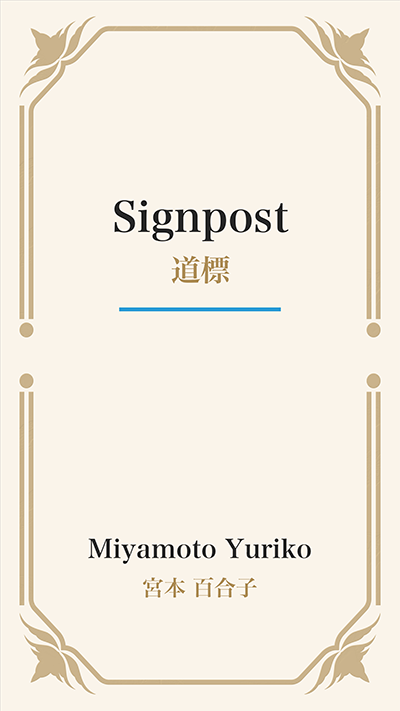
SignpostAuthor: Miyamoto Yuriko
| Original Title | 道標 |
|---|---|
| Author | 宮本 百合子 |
| Genre | Modern Short Fiction |
| Author Type | Female Author |
| Summary | In the frigid heart of 1927 Moscow, two Japanese women—Nobuko and Motoko—navigate a world cloaked in relentless snow and Soviet intrigue. Arriving as cultural observers, they are enveloped by the city’s stark beauty: snow-laden streets, dimly lit hotels, and the austere grandeur of institutions like VOKS, where bureaucratic formalities mask unspoken tensions. Their days unfold amid encounters with fellow intellectuals—Uiichi Akiyama, a proletarian artist with sharp insights, and Masao Segawa, a pragmatic linguist—as they dissect Soviet life over tea and pickled cucumbers. A visit to the Moscow Art Theatre electrifies Nobuko, its revolutionary play *Armored Train* blurring the line between stage and audience, stirring memories of struggle in a rapt crowd. Yet beneath the surface lies unease: Madame Kamenewa’s icy reception at VOKS hints at political undercurrents, while debates over “dialectical staging” reveal ideological divides. Through snow-dusted windows and hushed corridors, Nobuko’s keen observations—of sentries pacing in blizzards, sleigh rides through frozen boulevards, and the Kremlin’s midnight chimes—paint a portrait of a society in flux, where artistry and ideology collide. Moscow’s contradictions—its warmth amid austerity, its vitality shadowed by restraint—ignite her curiosity, leaving her poised between wonder and disquiet. |
← Return to List← Return to TOP